
Compression gym pants have become increasingly popular among men who want better performance, faster recovery, and enhanced comfort during workouts. But are they really worth it?
The short answer: Yes—compression gym pants offer real benefits when used correctly. Let’s break down how they work and why you should consider adding them to your fitness wardrobe.
What Are Compression Gym Pants?
Compression gym pants are tight-fitting athletic leggings designed to apply gentle pressure to your muscles. They act like a second skin, supporting your body during workouts and recovery.
They are typically made from polyester, nylon, and spandex blends, which provide stretch, breathability, and moisture control.
Key Benefits of Compression Gym Pants for Men
1. Improved Muscle Stability & Performance
Compression pants reduce muscle vibration (oscillation) during movement.
Helps during squats, running, and jumping
Improves muscle efficiency
Reduces early fatigue
This leads to better performance, especially in high-intensity workouts.
2. Faster Recovery & Reduced Soreness
Compression improves blood circulation, which helps:
Deliver oxygen to muscles faster
Flush out lactic acid
Reduce muscle soreness (DOMS)
Wearing them post-workout can speed up recovery.
3. Superior Sweat Management
Most compression pants use moisture-wicking, quick-dry fabrics that:
Keep sweat away from your skin
Prevent discomfort
Reduce chafing
This makes them ideal for long or intense sessions.
4. Injury Prevention & Support
Compression pants act like a light support system for your muscles.
Reduces risk of minor strains
Provides warmth in cold conditions
Supports joints and muscle groups
Especially useful for runners and weightlifters.
5. Comfort Like a Second Skin
The snug fit ensures:
No loose fabric distractions
Smooth movement during workouts
Better focus and control
6. Versatile Usage
Compression pants can be worn:
Alone for running or training
Under shorts for gym workouts
As a base layer in cold weather
This makes them one of the most versatile gym wear options.
When Should You Wear Compression Pants?
During Workouts:
Running
HIIT
Weight training
Sports
After Workouts:
For faster muscle recovery
To reduce soreness
Popular Types of Compression Gym Pants
Some commonly preferred options include:
Lightweight training leggings for daily workouts
High-compression tights for intense training
Thermal compression wear for winter workouts
These options cater to different fitness needs and environments.
Are There Any Downsides?
While compression pants are highly beneficial, there are a few things to keep in mind:
Too tight → may feel restrictive
Poor-quality fabric → can cause discomfort
Not everyone prefers tight clothing
Choosing the right size and fabric is crucial.
How to Choose the Right Compression Pants
When buying compression gym pants, look for:
Stretchable, breathable fabric (polyester/spandex blends)
Proper fit (snug but not overly tight)
Flat seams to prevent irritation
Moisture-wicking technology
Durable stitching
Final Thoughts
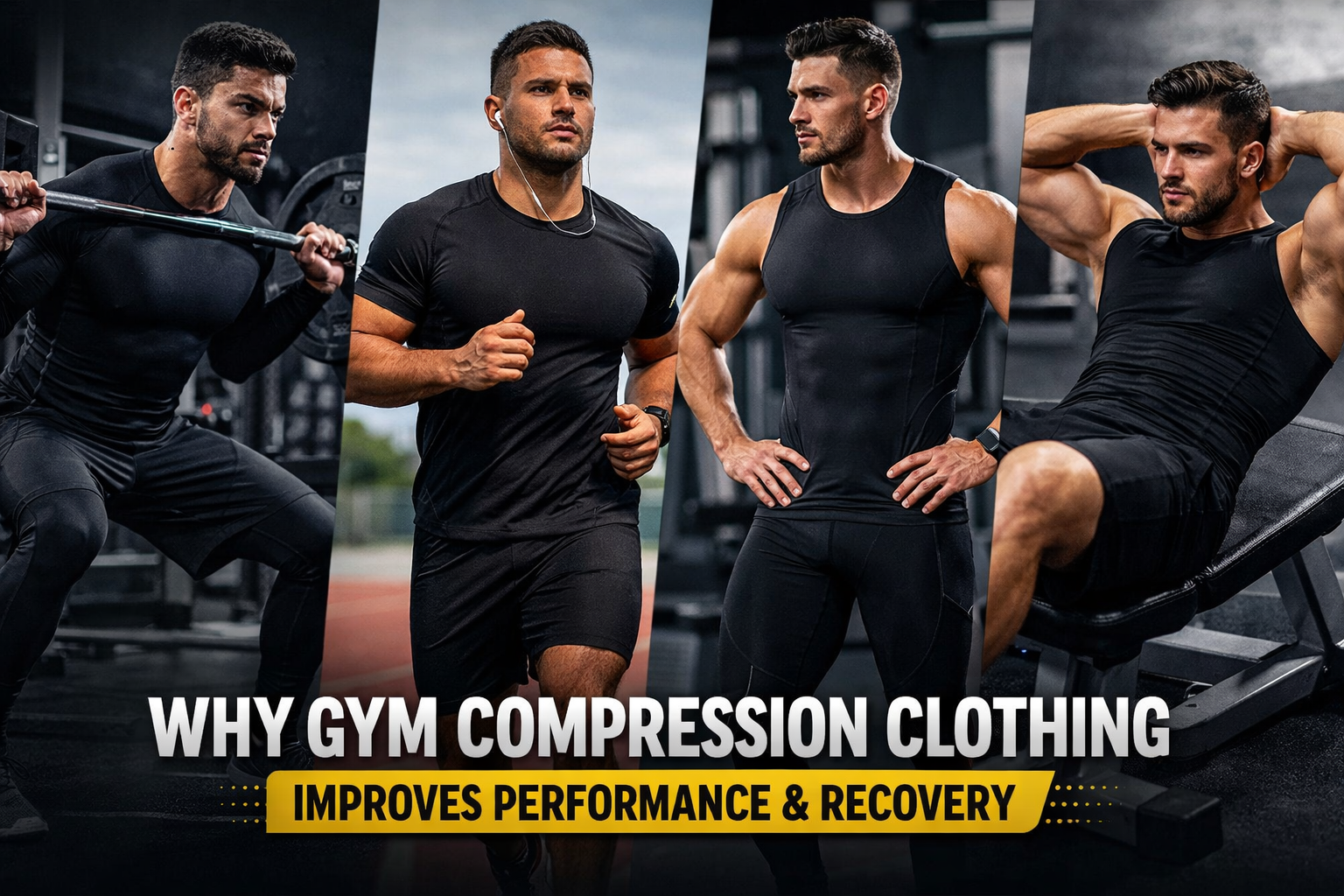
Compression gym pants are a smart investment for men who want to improve performance, reduce fatigue, and recover faster.
They offer:
Better muscle support
Enhanced blood circulation
Improved comfort during workouts
Reduced soreness after training
If you train regularly—especially at high intensity—compression pants can give you a noticeable edge.





Write a comment ...